As someone who spends hours in front of a computer screen editing videos, I know the struggle of eye strain all too well. My eyes would feel tired and dry, and sometimes I'd even get headaches. I knew I needed to find a solution, and that's when I started exploring reading glasses specifically designed for computer use. It's been a journey of trial and error, but I've finally found what works for me, and I'm excited to share my experience.
For years, I dismissed the idea of needing glasses. I thought my vision was fine, but I started noticing that after a few hours of editing, my eyes would start to feel strained. Reading small text on the screen became difficult, and I found myself squinting more often. I knew this wasn't sustainable, and I needed to address the problem before it got worse. I finally decided to visit my eye doctor, hoping to find a solution.
During my appointment, I explained my editing workflow and the challenges I was facing. My eye doctor suggested a specific prescription for my monitors, designed to help me read small text at a comfortable distance. He explained that this would reduce eye strain and make my editing sessions more comfortable. I decided to give it a try, and it turned out to be one of the best investments I've ever made. The difference was immediate; I could read 1 point type at 18 inches without any strain. This helped me edit faster and for longer periods.
I also started researching blue light blocking glasses. I'd heard a lot about them and wondered if they could further reduce eye strain. I even asked my eye doctor about them. Interestingly, he wasn't a big fan. He said that a lot of the claims surrounding blue light blocking glasses are just marketing hype and that they don't necessarily provide significant benefits. He gave me my prescription without any blue light blockers, and I respected his professional opinion.
However, I still wanted to explore the possibilities. I learned that these filters target violet and near ultra-violet light (200-400 nm), not the blue we commonly think of. I have a friend who swears by blue light blocking glasses, especially during long editing sessions. He mentioned that he takes them off when it's time to color grade, to ensure accurate color perception.
After trying different options, I realized the importance of finding glasses that not only improve my vision but also provide comfort and protection. I wanted something that was lightweight, stylish, and offered protection against UV rays and glare. That's when I stumbled upon Mozaer. I was looking for something functional and fashionable, and Mozaer seemed to have it all.
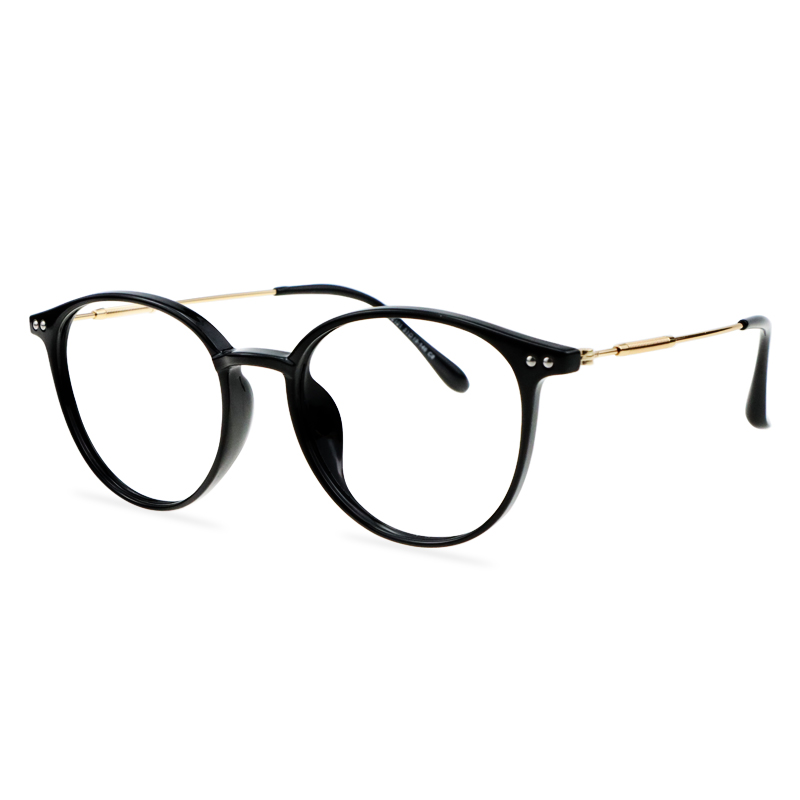
I decided to try the Photochromic Reading Glasses for Women, Anti UV/Eyestrain/Glare,Lightweight TR Frame, Stylish Reading Sunglasses. I know, the name is a mouthful, but hear me out! I was drawn to the lightweight TR frame and the promise of anti-UV and anti-glare protection. As a bonus, they're photochromic, meaning they adjust to changing light conditions.
These glasses have been a game-changer for me. The lightweight frame makes them comfortable to wear for extended periods, and the anti-glare coating significantly reduces eye strain. I also appreciate the photochromic feature, which automatically adjusts the tint based on the ambient light. This is especially useful when I'm working near a window or editing outdoors. The anti-UV protection is a bonus, safeguarding my eyes from harmful rays.
Based on my experience, here are some practical tips to consider when choosing reading glasses for editing: