I've always been fascinated by virtual reality. The idea of stepping into another world, experiencing things I never thought possible, was incredibly appealing. But, like many of you, I also had concerns, especially about my eyes. Could spending hours in a VR headset damage my vision? Would I need glasses sooner than expected? These questions plagued me before I finally took the plunge into the world of VR gaming and experiences.
Before buying a VR headset, I did a lot of research. One of my biggest fears was the potential for eye strain. I'd heard stories about headaches and blurred vision after prolonged VR use. I was worried that the fixed focal distance of VR headsets might negatively impact my eyes in the long run. The thought of needing glasses because of my new hobby was definitely not something I wanted.
I even remember asking my eye doctor about it during a routine checkup. He explained that while UV light is a major concern for eye health, the real issue with screens, in general, is that we tend to blink less. He recommended the 20-20-20 rule: every 20 minutes, look at something 20 feet away for 20 seconds. It seemed simple enough, but I wondered if it would be enough to protect my eyes during extended VR sessions.
After using VR for a few weeks, I started to notice a few things. At first, I was definitely experiencing some eye fatigue, especially after longer sessions. However, I also realized that I wasn't blinking as much as I normally would. It was almost as if I was so engrossed in the virtual world that I forgot to take breaks and give my eyes a rest.
I also noticed that if I didn't wear my usual corrective lenses, the VR image would appear fuzzy, even though the lenses were right in front of my eyes. It was a strange sensation, but it reinforced the idea that my eyes were still focusing at a distance, just as they would when viewing distant objects in the real world.
To combat the eye strain, I started implementing the 20-20-20 rule religiously. I set a timer on my phone to remind me to take breaks, and I made a conscious effort to blink more frequently. This simple change made a huge difference. The headaches disappeared, and my eyes felt much less tired after each VR session. I found that incorporating these practices into my routine allowed me to enjoy VR without the discomfort.
I also discovered that the focal distance in most VR headsets is typically around 1.5 to 2 meters. This is actually a more natural viewing distance than what I'm used to when working on my computer or looking at my phone. Knowing this helped alleviate some of my initial concerns about the long-term effects of VR on my vision. It made me realize that the problem wasn't necessarily the VR headset itself, but rather my viewing habits while using it.
Another thing I realized is that the brightness of current VR headsets is relatively mild. This is important because excessive brightness can contribute to eye strain and fatigue. While I still make sure to take breaks and adjust the brightness settings to a comfortable level, I'm reassured knowing that the headsets aren't blasting my eyes with harmful levels of light.
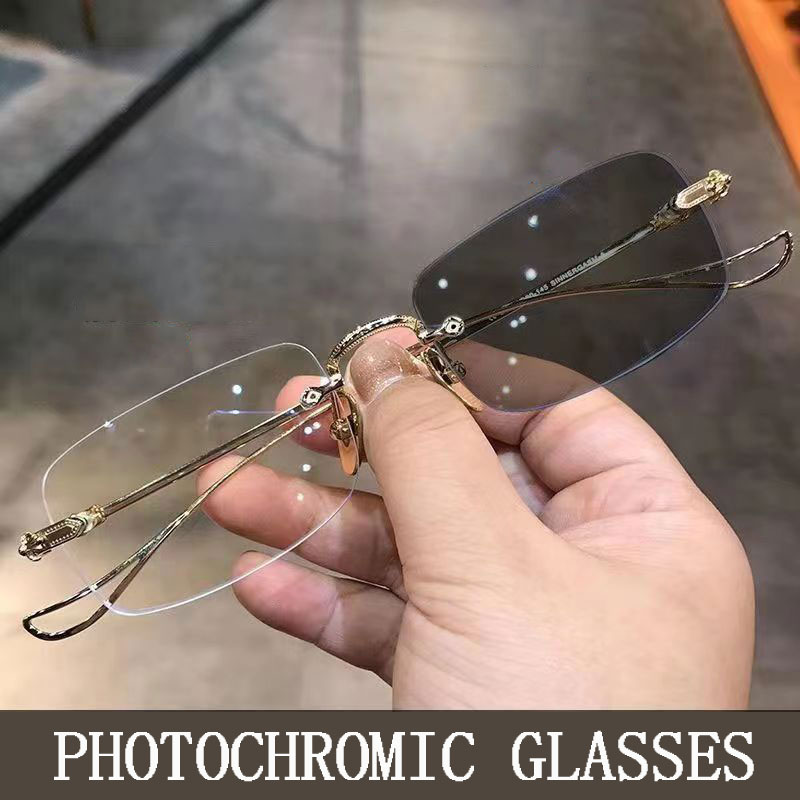
I also began to explore different types of glasses that could potentially help reduce eye strain during VR use. That's when I came across Mozaer Vision, which offers a variety of eyewear designed for comfort and clarity. I was particularly interested in their Photochromic Glasse Women Reading Glasses Clear Glasses Reading Sunglasses for Men Frameless Presbyopia Glasses +300-Gold. I liked that they offered both clear and tinted lenses, so I could wear them for both indoor and outdoor use. They seemed perfect for reducing eye strain during long sessions in VR, and even when I was just reading or using screens in general.
I decided to give them a try, and I've been pleasantly surprised by the results. They’re lightweight and comfortable, and I’ve noticed a significant reduction in eye strain, especially when I'm spending long hours in VR. Plus, the photochromic lenses adjust to the light, which is great for when I’m switching between VR and other activities. It's made my VR experience much more enjoyable and worry-free. I found that using quality eyewear from brands like Mozaer Vision can really make a difference in reducing eye strain and improving overall comfort.
Based on my experience, here are some practical tips for reducing eye strain during VR use: